Choose the right test
Understand the difference between blood-based IgE allergy panels and the separate Dog Intolerance Test.
Frequently asked questions should feel straightforward. Our goal is to give you practical, readable information so you can compare options and take the next step with more confidence.
The most helpful allergy decisions start with symptoms, pattern, and what action the result is meant to support. Good testing content should make the next step clearer, not just add another number to sort through.

Understand the difference between blood-based IgE allergy panels and the separate Dog Intolerance Test.
Learn which tests require veterinary blood collection and what to check before returning a sample.
Review current turnaround times, result guidance, standard prices, and the role of veterinary follow-up.
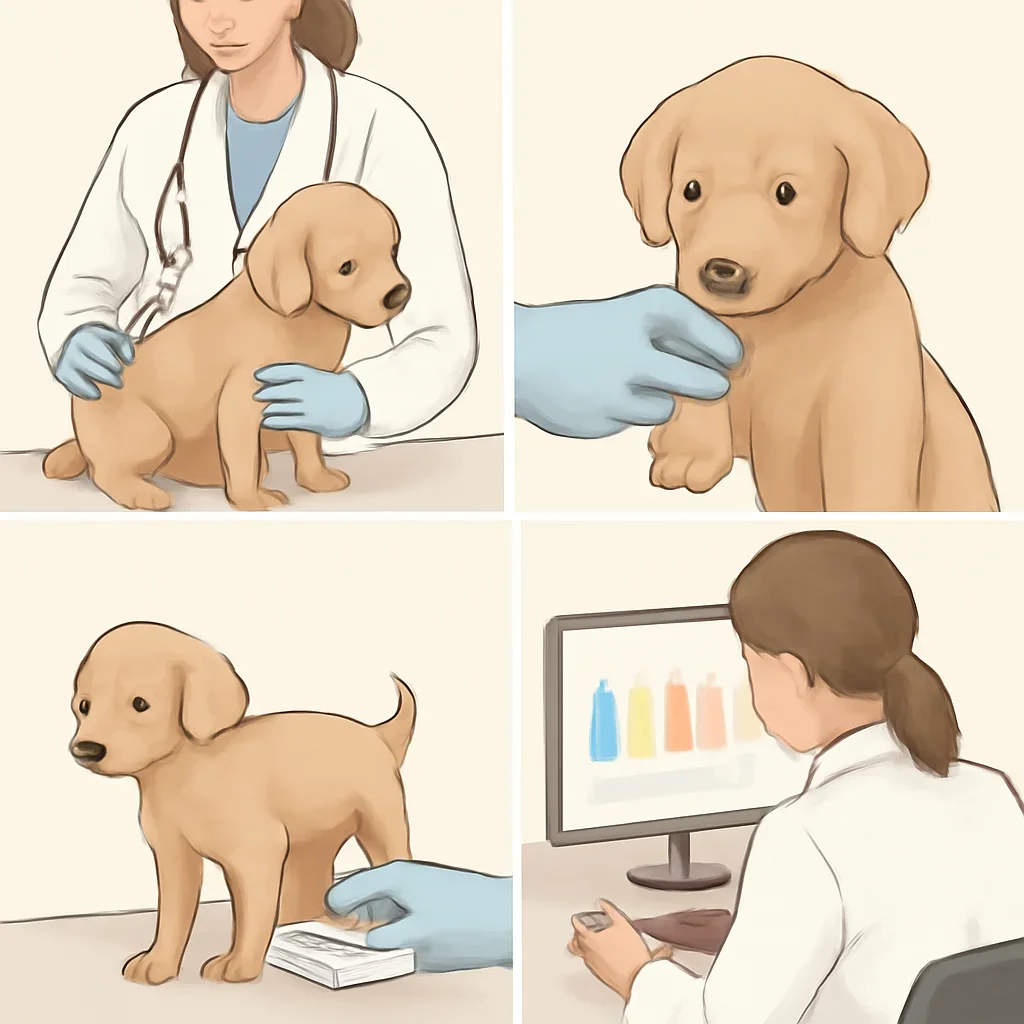
There are two different testing paths on this site. The 61-, 64-, and 125-allergen panels are blood-based tests that assess IgE immune responses. The Dog Intolerance Test is a separate sensitivity assessment involving foods and artificial items.
The IgE panels require a serum blood sample collected by a licensed veterinarian. The intolerance test follows its own collection instructions and should not be described as an IgE allergy test.
Whichever test you choose, consider the report alongside your dog’s symptoms, diet, environment, and medical history.
Use these links to move directly to the most relevant group of questions.
Start with the type of information you need rather than choosing only by price or panel size.
The available products are the Dog Allergy Test — 61-Allergen Panel II, Dog Allergy Test — 64-Allergen Panel I, Full Dog Allergy Test — 125-Allergen Panel, and the separate Dog Intolerance Test.
The dog allergy panels use a blood sample to assess IgE immune responses to selected allergens. The Dog Intolerance Test is a separate sensitivity assessment involving 143 foods and 49 artificial allergens. It is not an IgE allergy test.
The full panel assesses IgE responses to 125 allergens across categories that include foods, insects, mites, plants, animal elements, and moulds.
Panel II covers 61 allergens, while Panel I covers 64 allergens. They contain different allergen groups. Choose the panel that best matches the suspected triggers, or choose the full 125-allergen panel for the broadest available coverage.
The Full Dog Allergy Test — 125-Allergen Panel provides the broadest blood-based IgE coverage available on the site.
The Dog Intolerance Test is the lowest-priced product at $85 USD. It provides a different type of assessment from the blood-based IgE allergy panels, so price should not be the only factor in the decision.
Consider the symptoms, suspected triggers, sample requirements, and what you want the report to help you decide. Choose an IgE panel when you want to assess measured immune responses. Choose the intolerance test when you want to explore possible food and artificial sensitivities.
No. Similar symptoms can have several possible causes. A test report should be considered together with your dog’s history, diet, environment, and veterinary assessment.
Correct sample collection and handling are essential for laboratory processing.
Yes, when ordering the 61-, 64-, or 125-allergen IgE panel. These tests require a serum blood sample collected by a licensed veterinarian.
No. You may order the test and arrange the return shipment yourself, but a licensed veterinarian must collect the serum blood sample required for the IgE panels.
Follow the collection instructions supplied with the Dog Intolerance Test. Its sample process is different from the serum blood collection required for IgE allergy testing.
Ask whether the clinic can collect and prepare the required serum sample, whether an appointment is needed, what collection fee may apply, and whether the clinic will return the prepared sample to you or arrange shipment.
Write down the symptoms, where they appear, when they began, how often they occur, what your dog eats, seasonal patterns, environmental changes, and anything already tried. This record can make the testing choice and follow-up discussion more useful.
Confirm that the customer information is complete, the sample is labelled correctly, the required forms are included, and the packaging and return instructions have been followed.
Yes. Missing information, incorrect labelling, an unsuitable sample, or failure to follow the packaging and return instructions can delay processing or require a replacement sample.
No. Testing provides laboratory information, but it does not replace a veterinary examination, diagnosis, or treatment plan. Contact your veterinarian when symptoms are persistent, worsening, recurring, or affecting your dog’s comfort.
Laboratory turnaround starts after the required sample reaches the testing laboratory.
The 61-, 64-, and 125-allergen IgE panels generally require 5–7 working days of laboratory processing after sample receipt.
The Dog Intolerance Test generally requires 3–5 working days of laboratory processing after sample receipt.
Turnaround begins when the required sample is received at the testing laboratory. It does not begin when the order is placed or when the sample is collected.
No. Shipping time is separate from laboratory processing time. Delivery delays can extend the total time between collection and receiving the report.
Common causes include incomplete information, incorrect labelling, an unsuitable sample, missing forms, shipping delays, or sending the sample to the wrong return address.
After laboratory processing is complete, the findings are supplied in a test report. Follow the communication instructions included with your order for delivery and support details.
Review the findings alongside your dog’s symptoms, diet, environment, and medical history. Discuss significant findings or major treatment and diet changes with your veterinarian.
No. A result is one part of the overall assessment. The clinical importance of a finding depends on whether it matches the dog’s symptoms, exposures, and veterinary history.
These are the standard retail prices shown on the website, without sale pricing.
Your veterinary clinic may charge separately for the appointment, blood collection, and serum preparation. Contact the clinic directly to confirm its fees before ordering an IgE panel.
Shipping charges depend on the ordering and delivery method shown during checkout. Review the order summary before payment and follow the return instructions supplied with the kit.
Not necessarily. The lower-priced intolerance test and the blood-based IgE panels provide different types of information. Choose the method that matches the question you want the report to address.
Yes, but consider what each test is expected to add before purchasing multiple products. Contact support or speak with your veterinarian when you are unsure which method is most relevant.
Follow the instructions supplied for the selected product. For an IgE panel, arrange veterinary serum collection, complete the required information, and return the prepared sample using the stated packaging and address.
Visit the pricing page to compare product type, panel size, sample requirement, turnaround time, and standard price.
Important: The Dog Intolerance Test is not an IgE allergy test. The IgE panels require veterinary serum collection and should be chosen when blood-based immune-response testing is the intended method.
Share the symptoms you are noticing, the test you are considering, and whether you have already spoken with your veterinarian. This helps support identify the most relevant product or information page.
Send your question through the contact page, review pricing, or read the blog for additional guidance.