Start with symptoms
Record what you are seeing, when it happens, and whether the pattern appears connected to food, season, or environment.
How to Test a Dog for Allergies matters most when you need a clearer path, not more guesswork. This page focuses on testing process and methods and shows where the method fits, what to expect, and how to decide whether it is the right move for your dog.
The most helpful allergy decisions start with symptoms, pattern, and what action the result is meant to support. Good testing content should make the next step clearer, not just add another number to sort through.
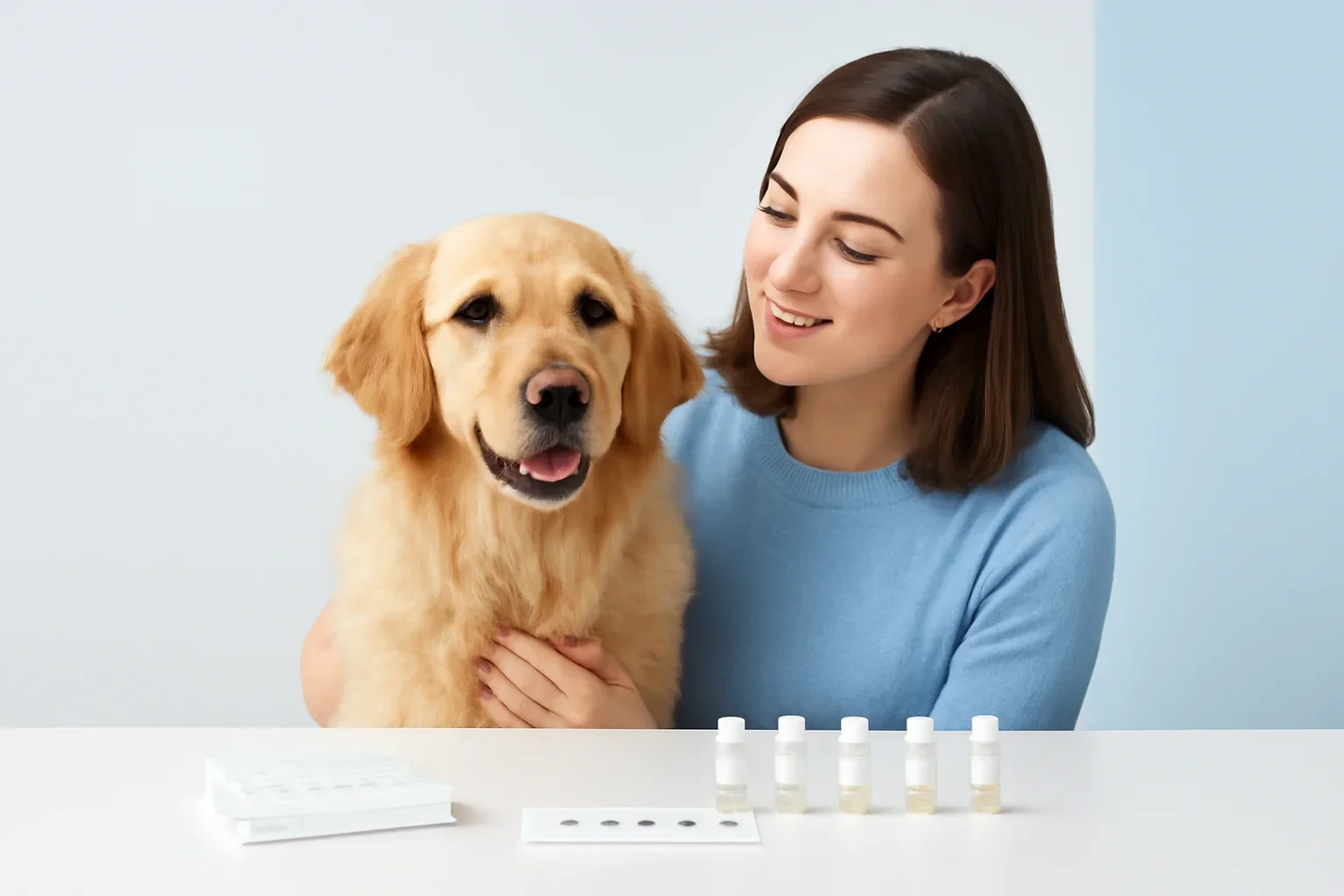
Record what you are seeing, when it happens, and whether the pattern appears connected to food, season, or environment.
Blood-based IgE allergy testing and intolerance testing answer different questions and should not be treated as the same test.
The 61-, 64-, and 125-allergen IgE panels require a serum blood sample collected by a licensed veterinarian.
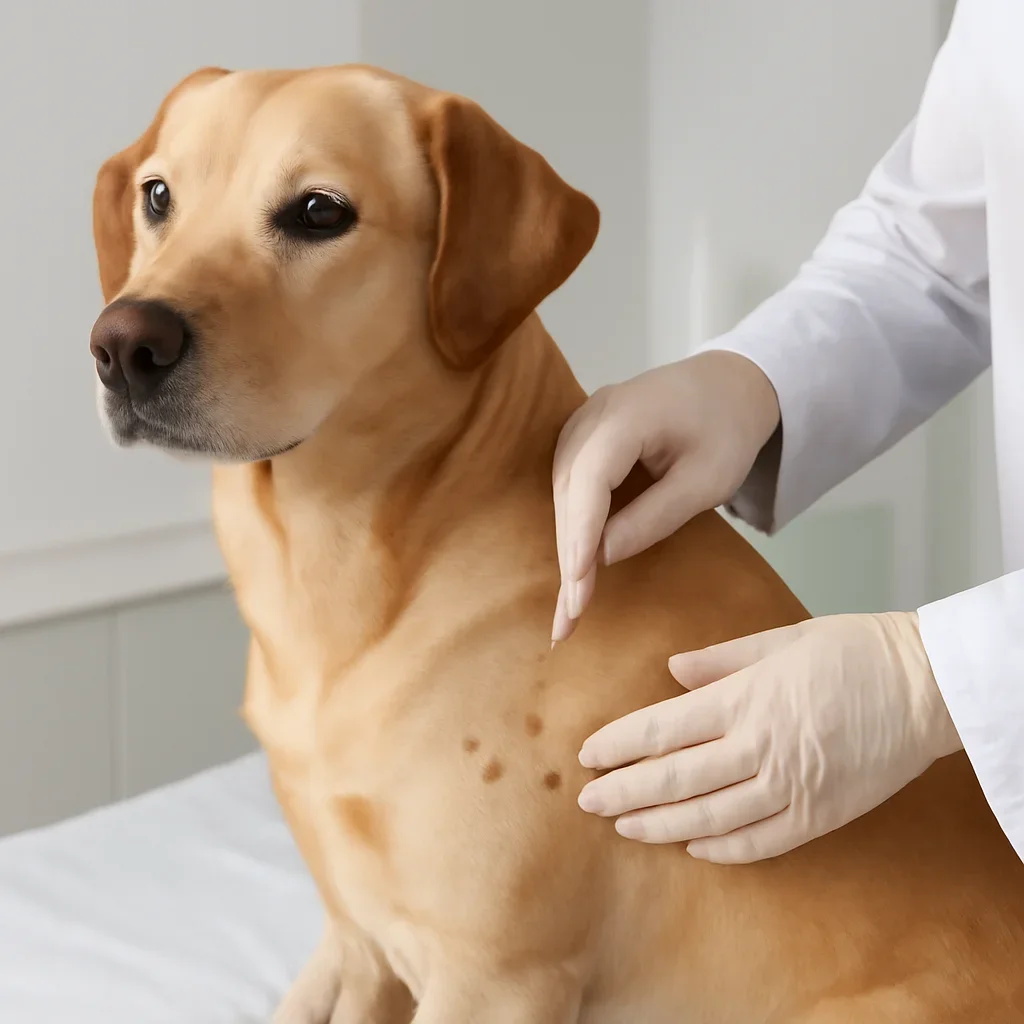
Write down when the symptoms began, how often they occur, where they appear on your dog, and anything that seems to make them better or worse.
Useful details can include itching, paw licking, recurring skin irritation, ear discomfort, digestive concerns, seasonal flare-ups, recent diet changes, and changes in the home or outdoor environment.
This history does not confirm the cause, but it can make the testing choice and the follow-up discussion with your veterinarian more useful.
The first step is deciding what kind of information you need. The blood-based allergy panels measure IgE immune responses. The Dog Intolerance Test is a separate sensitivity assessment.
These tests assess immune responses to selected food and environmental allergens. Available options cover 61, 64, or 125 allergens.
This separate test assesses possible sensitivities involving 143 foods and 49 artificial allergens.
Follow these steps to prepare, choose an appropriate method, and return a usable sample.
Note where symptoms appear, when they flare, how long they last, what your dog eats, and any recent environmental or routine changes. Photos and a simple symptom diary can help you identify patterns.
Possible triggers may include foods, pollens, plants, mites, moulds, insects, animal-related allergens, or changes in the home or outdoor environment. Symptoms alone cannot identify the cause.
Choose a 61- or 64-allergen panel for focused blood-based IgE testing, the full 125-allergen panel for the broadest available allergy coverage, or the Dog Intolerance Test for a separate food and artificial sensitivity assessment.
The IgE allergy panels require serum collected by a licensed veterinarian. Contact your clinic before ordering to ask about appointment availability, collection fees, sample preparation, and return arrangements.
Complete the required information, confirm that the sample is labelled correctly, use the recommended packaging, and follow the return instructions supplied with the test. Keep tracking information when available.
Turnaround begins after the laboratory receives the sample. IgE allergy panels are generally processed in 5–7 working days, while the Dog Intolerance Test is generally processed in 3–5 working days. Shipping time is separate.
Consider the findings alongside your dog’s symptoms, diet, environment, and medical history. Discuss persistent symptoms, important findings, or major diet and treatment changes with your veterinarian.
Use the table below to compare the method, coverage, sample requirement, and expected laboratory turnaround.
| Testing option | Method | Coverage | Sample requirement | Laboratory turnaround |
|---|---|---|---|---|
| 61-Allergen Panel II | Blood-based IgE allergy testing | 61 allergens | Serum blood collected by a licensed veterinarian | 5–7 working days |
| 64-Allergen Panel I | Blood-based IgE allergy testing | 64 allergens | Serum blood collected by a licensed veterinarian | 5–7 working days |
| Full 125-Allergen Panel | Blood-based IgE allergy testing | 125 allergens, including foods, insects, mites, plants, animal elements, and moulds | Serum blood collected by a licensed veterinarian | 5–7 working days |
| Dog Intolerance Test | Food and artificial sensitivity assessment | 143 foods and 49 artificial allergens | Follow the collection instructions supplied with the test | 3–5 working days |
Turnaround times are indicative and begin after the laboratory receives the required sample.
A report can help identify measured allergens or sensitivities that may deserve closer attention. It can give you a more organized starting point for discussions about your dog’s diet, environment, and care.
Testing does not replace a veterinary examination, diagnosis, or treatment plan. Symptoms can have several possible causes, so results should not be used alone to make major medical or dietary decisions.
Veterinary guidance: Contact your veterinarian when symptoms are persistent, worsening, recurring, or affecting your dog’s comfort. Seek prompt veterinary care for a sudden serious reaction, breathing difficulty, collapse, or facial swelling.
Begin by recording symptoms and possible triggers. Choose an appropriate IgE allergy panel, arrange serum blood collection with a licensed veterinarian, and return the sample according to the supplied instructions. The laboratory then processes the sample and issues a report.
No. The 61-, 64-, and 125-allergen IgE panels require a serum blood sample collected by a licensed veterinarian. Ordering and returning the sample may be completed separately, but the blood collection itself requires a veterinary appointment.
The dog allergy panels are blood-based tests that assess IgE immune responses to selected allergens. The Dog Intolerance Test is a separate assessment involving food and artificial sensitivities and is not an IgE allergy test.
Choose the 61- or 64-allergen panel when you want focused IgE testing. Choose the full 125-allergen panel when you want the broadest available allergy coverage across multiple food and environmental categories.
The IgE allergy panels generally require 5–7 working days of laboratory processing. The Dog Intolerance Test generally requires 3–5 working days. Processing begins after the laboratory receives the sample.
No. Similar symptoms can have different causes. Test findings should be considered alongside your dog’s symptom history, diet, environment, medical history, and veterinary assessment.
Discuss major or long-term diet changes with your veterinarian. Removing several foods without a balanced plan may create unnecessary restrictions or nutritional problems.
Start by writing down your dog’s symptoms, when they occur, and anything you have already tried. Then compare the testing methods and confirm whether veterinary blood collection is required.
Send your details through the contact page, review pricing, or keep reading in the blog if you are still comparing options.