Method fit
Compare blood vs skin dog allergy testing with attention to when each option is easier to arrange and easier to act on.
Blood vs Skin Dog Allergy Testing matters most when you need a clearer path, not more guesswork. This page focuses on compare blood and skin allergy tests for dogs and shows where the method fits, what to expect, and how to decide whether it is the right move for your dog.
Blood-based allergy testing is often easier to schedule than intradermal testing because it uses a blood sample instead of multiple skin injections. Blood results are typically interpreted alongside symptoms and exam findings, not as a stand-alone diagnosis.

Compare blood vs skin dog allergy testing with attention to when each option is easier to arrange and easier to act on.
Weight collection method, reliability limits, cost, and how much interpretation support you may need.
A better comparison starts with what the result should help you do after the report arrives.
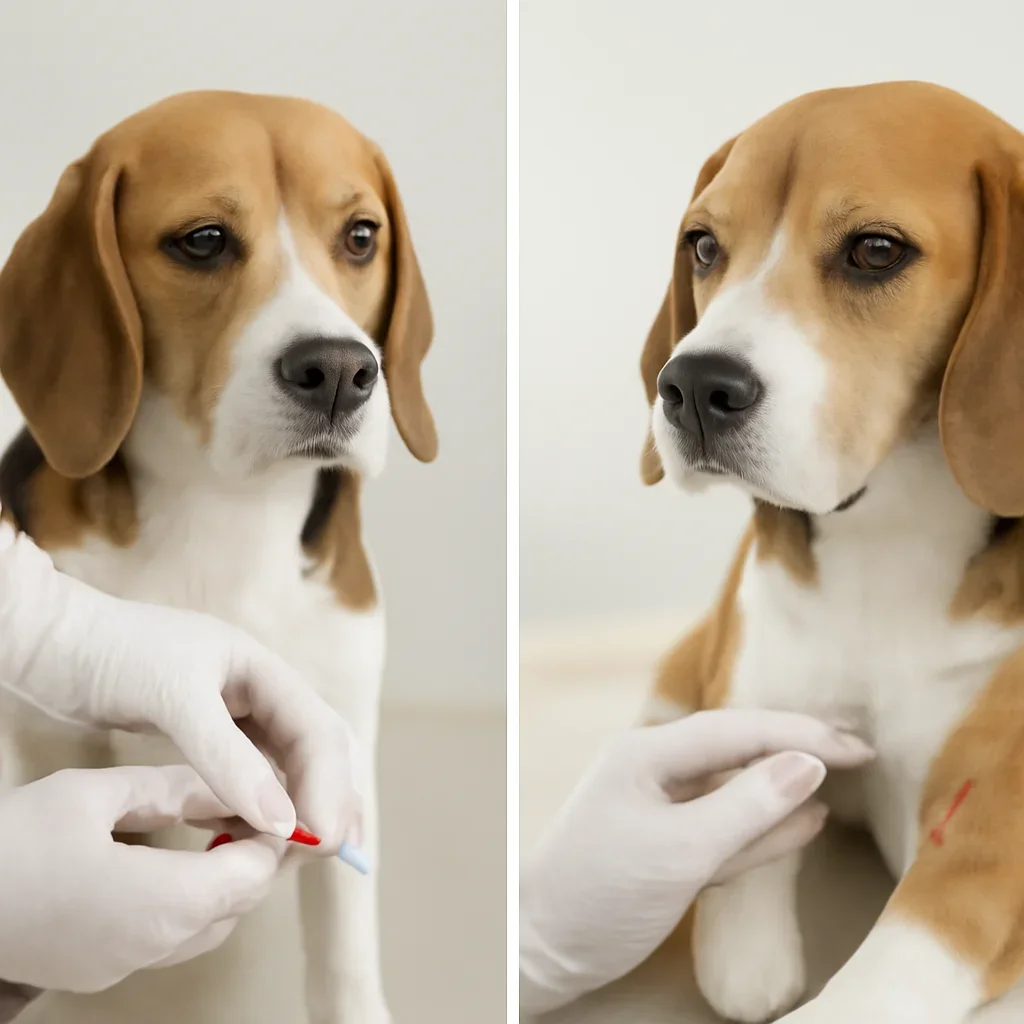
Blood-based allergy testing is often easier to schedule than intradermal testing because it uses a blood sample instead of multiple skin injections. Blood results are typically interpreted alongside symptoms and exam findings, not as a stand-alone diagnosis.
A better decision usually comes from matching the method to the problem. Some owners need a fast at-home starting point, while others need a veterinary workup that can support treatment planning, diet trials, or referral.
Customer proof can live here once approved quotes and case details are ready. Until then, the page earns trust through clearer steps, sharper comparisons, and plain-language expectations.
This space is ready for clinical review notes, partner workflow details, or other verified credentials when those materials are available for publishing.
No. It is usually part of a wider workup after other causes of itching have been considered. The test is often used to help build an environmental management or immunotherapy plan.
Often, yes. Intradermal testing is commonly handled by veterinary dermatology teams because the setup, interpretation, and follow-up planning are more specialized than a simple retail kit.
Share the symptoms you are noticing, what you have already tried, and whether you want an at-home option or a veterinary path. That gives the next recommendation more value and less guesswork.
Send your details through the contact page, review pricing, or keep reading in the blog if you are still comparing options.